Rupert Lowe Accepts Free Speech Award, Delivers Speech Critical of Keir Starmer
Rupert Lowe accepted a free speech award at an event attended by journalists,
campaigners, and documentary filmmakers, using his acceptance speech to deliver
a series of sharp criticisms aimed at Prime Minister Keir Starmer and the current
political establishment.
The event, which focused on freedom of expression and civil liberties, brought
together speakers who have publicly argued that government policies and actions
have increasingly restricted open debate.
Lowe’s speech quickly became one of the evening’s most discussed moments
because of its combination of humor, personal reflection, and political criticism.
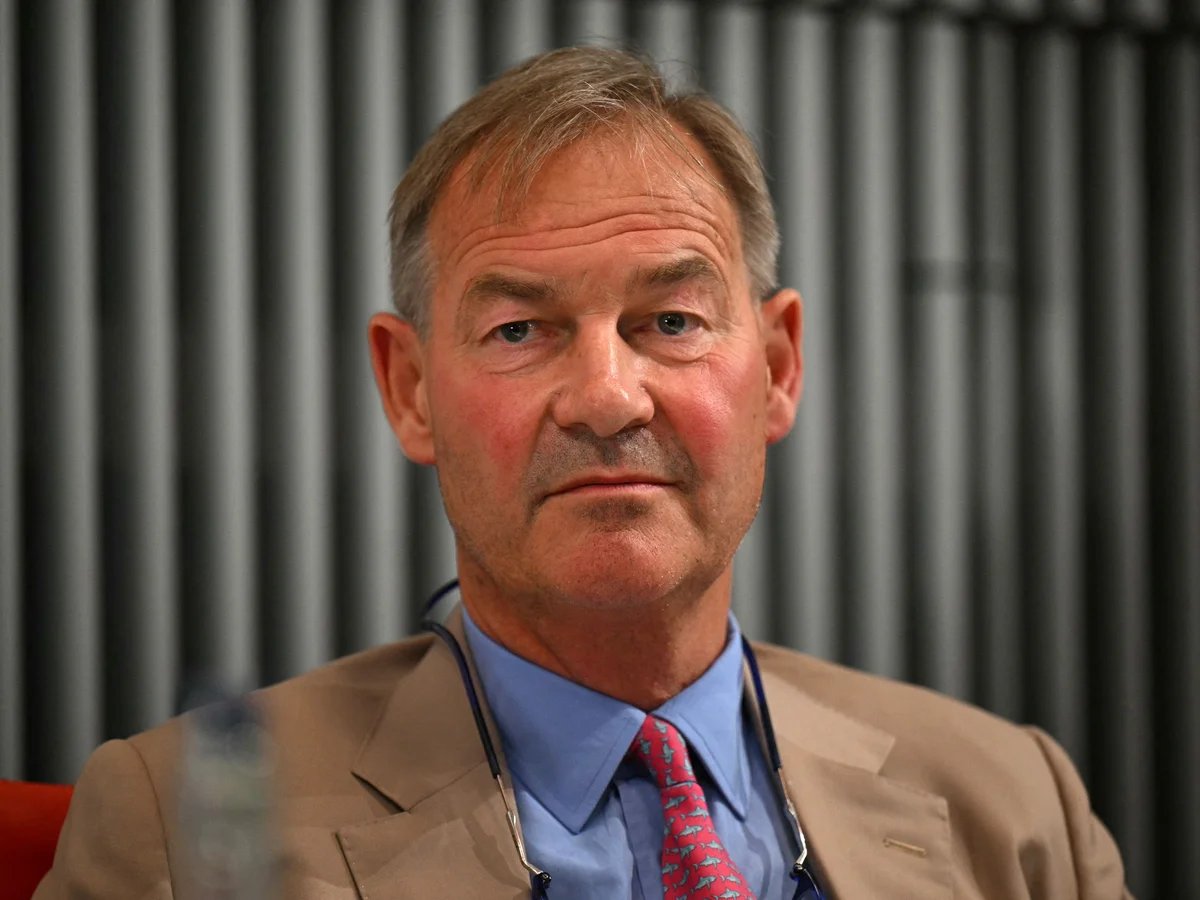
Opening with a self-deprecating remark, Lowe joked that he felt “less educated”
than many of the other speakers on stage, who he said had spent years
investigating issues such as state surveillance, censorship, and government
accountability.
He then launched into a series of satirical nicknames for Starmer, drawing laughter
from many audience members.
After the humorous opening, Lowe adopted a more serious tone.
He argued that citizens should be able to criticize elected leaders without fear of
legal or professional consequences, describing freedom of expression as one of
Britain’s fundamental democratic traditions.
He said that, in his view, questioning government decisions should not be viewed as
controversial but rather as an ordinary part of democratic life.
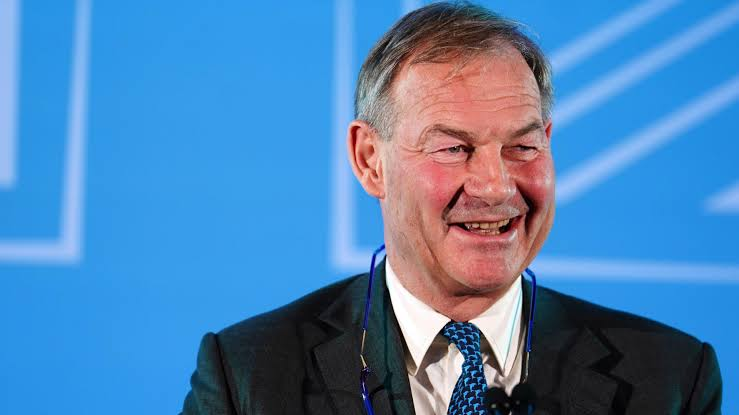
During the speech, Lowe referred to previous legal and regulatory actions involving
him, saying those experiences had changed his understanding of how free speech
is protected in modern Britain.
He argued that institutions including the Crown Prosecution Service and the Home
Office had unfairly targeted him, though those bodies have previously maintained
that they act independently and according to the law.
Lowe also claimed that many people from across the political spectrum had
supported broader efforts to defend freedom of expression.
According to him, public demonstrations, online activism, and criticism of
mainstream media reflected growing concern about censorship and the limits of
public debate.
Supporters attending the event applauded these remarks, with several describing
free speech as an issue that extends beyond party politics.
They argued that protecting the right to express unpopular opinions remains
essential in a democratic society.
Critics, however, have rejected Lowe’s characterization of recent events.
They argue that enforcement of existing laws and moderation policies should not
automatically be interpreted as censorship and maintain that governments have a
responsibility to balance freedom of expression with other legal obligations,
including public safety and the prevention of unlawful conduct.
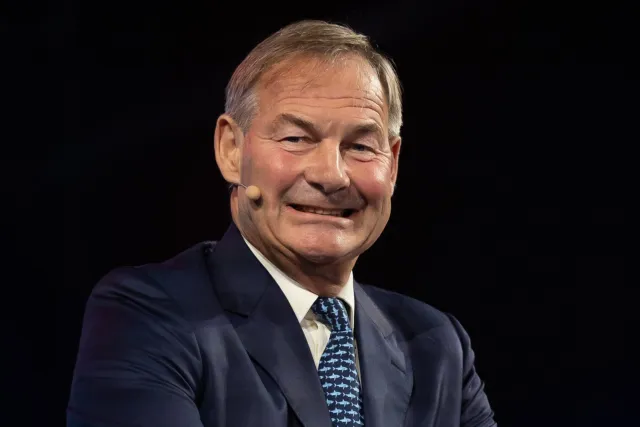
The debate surrounding free speech has become increasingly prominent in British
politics in recent years, with politicians, academics, journalists, and advocacy
organizations offering sharply different views on where the balance should lie
between protecting open debate and addressing harmful or illegal speech.
Lowe concluded his remarks by thanking supporters who, he said, had continued to
defend free expression despite political disagreements.
He also ended with another round of satirical comments directed at Starmer,
prompting laughter and applause from much of the audience.
Whether viewed as a celebration of free expression or as another chapter in
Britain’s increasingly polarized political debate, Lowe’s speech has generated
discussion well beyond the event itself.
Supporters see it as a defense of civil liberties, while critics argue it oversimplifies
complex legal and political issues.
As reactions continue, the speech underscores how questions surrounding freedom
of expression remain among the most contested issues in contemporary British
public life.
