Rupert Lowe Accepts Free Speech Award, Delivers Speech Critical of Keir Starmer
“HE LAUGHED IN STARMER’S FACE” — RUPERT LOWE’S FREE SPEECH SPEECH IGNITES POLITICAL FIRESTORM ACROSS BRITAIN 🇬🇧🔥
London witnessed a political moment that has already spilled far beyond the walls of a single award ceremony and into the heart of national debate. Former MP Rupert Lowe has sparked a wave of controversy after using his Free Speech Award acceptance speech to deliver what many are calling a direct, calculated and highly provocative message aimed at Prime Minister Keir Starmer.
What was expected to be a formal, respectful evening celebrating the principle of free expression quickly transformed into one of the most talked-about political flashpoints of the week in Britain.
And at the centre of it all: a speech that blended humour, defiance, and open political challenge in a way that left the audience divided — and Westminster buzzing within minutes.
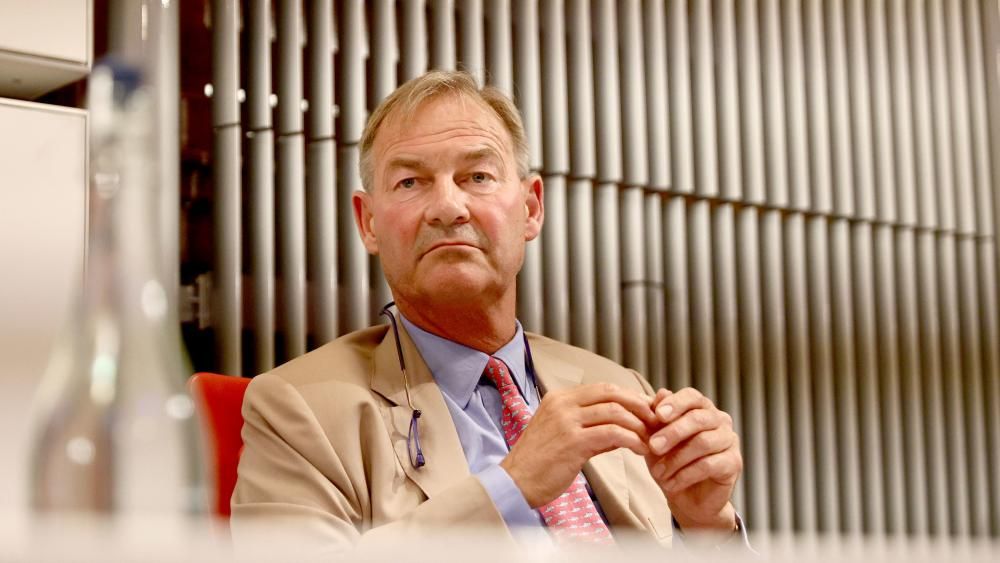
A CEREMONY THAT WAS SUPPOSED TO BE “SAFE” — UNTIL IT WASN’T
The event, held in central London, gathered politicians, journalists, and campaigners under one theme: the importance of free speech in modern democracy.
But according to attendees, the tone shifted the moment Rupert Lowe stepped onto the stage.
Instead of the usual formal acknowledgements, Lowe reportedly paused for several seconds, scanned the room, and delivered what witnesses described as a “calculated silence” before speaking.
That silence, insiders say, set the tone for what came next.
Rather than focusing solely on gratitude or ceremony protocol, Lowe allegedly turned his speech into a broader commentary on Britain’s political climate — particularly what he framed as increasing pressure on public expression, media narratives, and political dissent.
Some in the room laughed. Others reportedly exchanged uneasy glances. A few appeared visibly surprised by the direction the speech was taking.
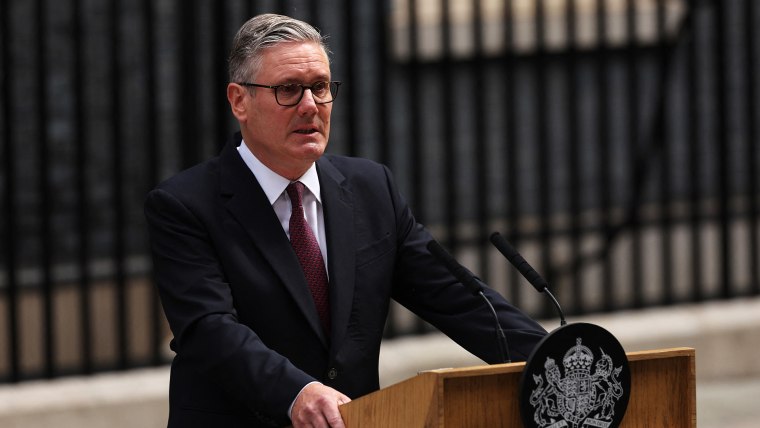
“FREE SPEECH MEANS NOTHING IF IT NEEDS PERMISSION”
The most widely circulated line of the evening came when Lowe addressed the concept of free expression directly.
Without explicitly naming individuals at first, he reportedly said:
“Free speech means nothing if it only exists when it is approved.”
The audience reaction was immediate — a mixture of applause, laughter, and murmurs.
But the tone shifted further when the speech appeared to narrow its focus toward the current political establishment and, by implication, the government led by Keir Starmer.
While no direct personal attack was officially confirmed in the written transcript, multiple attendees claim the delivery, timing, and phrasing made the target of the message unmistakable.
One attendee later described it as:
“Not an attack speech — but a challenge. And everyone knew exactly who it was aimed at.”
LAUGHTER IN THE ROOM — AND A MOMENT THAT DIVIDED THE AUDIENCE
Perhaps the most controversial aspect of the evening was not just what was said, but how it was received.
According to several accounts, Lowe occasionally paused after sharp remarks, smiling or lightly laughing before continuing — a tone that some interpreted as ironic humour, while others saw it as deliberate provocation.
At one point, following a pointed comment about political accountability and “who gets to define acceptable speech,” parts of the audience reportedly reacted with laughter.
That moment has since gone viral on social media clips, with users debating whether it was genuine amusement, nervous laughter, or political discomfort.
Supporters argue the speech showed confidence and authenticity.
Critics argue it was theatrical, designed for headlines rather than substance.
WESTMINSTER REACTION: DIVIDED, TENSE, AND IMMEDIATE
Within hours, reactions began filtering out of political circles in Westminster.
Supporters of Keir Starmer dismissed the speech as predictable political theatre, arguing that it was intended to provoke rather than contribute to serious policy discussion.
One government-aligned voice reportedly described it as “performative outrage dressed up as principle.”
However, critics of the government saw something very different.
For them, Lowe’s remarks reflected a growing frustration among sections of the public who believe debate in Britain has become increasingly restricted, particularly on sensitive political and cultural issues.
The speech quickly became a symbolic battleground for a much larger argument:
Is Britain protecting free speech — or quietly narrowing it?
SOCIAL MEDIA EXPLOSION: “HE SAID WHAT OTHERS WON’T”
If Westminster was divided, social media was immediate and explosive.
Clips of the speech spread rapidly across platforms within hours of the event ending.
Supporters of Rupert Lowe praised him as “fearless,” “unfiltered,” and “one of the few politicians willing to speak openly.”
One widely shared post read:
“Agree or disagree, he said what half of Westminster is too afraid to say.”
Opponents, however, accused him of deliberately escalating political tension for attention, suggesting the speech blurred the line between legitimate criticism and calculated provocation.
The contrast between those reactions only intensified the debate.
Was this a genuine defence of principle — or a carefully staged political moment designed to dominate headlines?
STARMER’S POSITION — SILENCE OR STRATEGY?
So far, Downing Street has not issued a detailed public response to the speech.
That silence has itself become part of the discussion.
Supporters of Keir Starmer argue that ignoring provocative political theatre is the most responsible approach, avoiding escalation and refusing to amplify what they see as attention-seeking rhetoric.
Others interpret the silence differently — suggesting it reflects a cautious strategy, designed to avoid legitimising a confrontation that could further fuel political division.
Either way, the absence of an official response has not stopped the story from gaining momentum.
If anything, it has intensified public curiosity.
A LARGER QUESTION NOW LOOMS OVER BRITISH POLITICS
Beyond the personalities involved, the speech has reopened a deeper national debate that has been building for years in the UK:
Where is the line between free expression and political responsibility?
And who decides when that line has been crossed?
For some, Lowe’s speech represents a necessary pushback against perceived restrictions on debate.
For others, it is a sign that political discourse is becoming more confrontational, more performative, and increasingly driven by viral moments rather than policy substance.

WHAT HAPPENS NEXT COULD DEFINE THE AFTERMATH
While the speech itself lasted only minutes, its impact may last far longer.
Political commentators are already predicting that the moment will be referenced repeatedly in upcoming parliamentary debates, media discussions, and public discourse around free speech legislation and political accountability.
For Rupert Lowe, the moment may strengthen his reputation among supporters as an outspoken critic of the establishment.
For Keir Starmer, it adds another layer of scrutiny at a time when political pressure on leadership and communication strategy is already high.
But the final question remains unanswered:
Was this simply a speech at an awards ceremony… or the opening shot in a much larger political confrontation unfolding across Britain?
