🚨🇬🇧 **POLL:** Is Sadiq Khan facing growing pressure over the “grooming gang” debate? The issue continues to fuel strong political controversy,
Is Sadiq Khan facing growing pressure over the “grooming gang” debate?
The issue continues to fuel intense political controversy across the UK, drawing sharp reactions from politicians, commentators, and the public.
While some voices are calling for stronger accountability and clearer answers from public officials, others argue that the debate is being shaped—and in some cases amplified—for political purposes rather than purely administrative or safeguarding concerrs.
At the centre of the discussion is London Mayor Sadiq Khan, who has increasingly found himself referenced in broader arguments about governance, public trust, and institutional responsibility.
Although the issue itself extends far beyond City Hall, the political symbolism attached to his role has made him a frequent target in ongoing disputes about leadership and oversight in the capital.
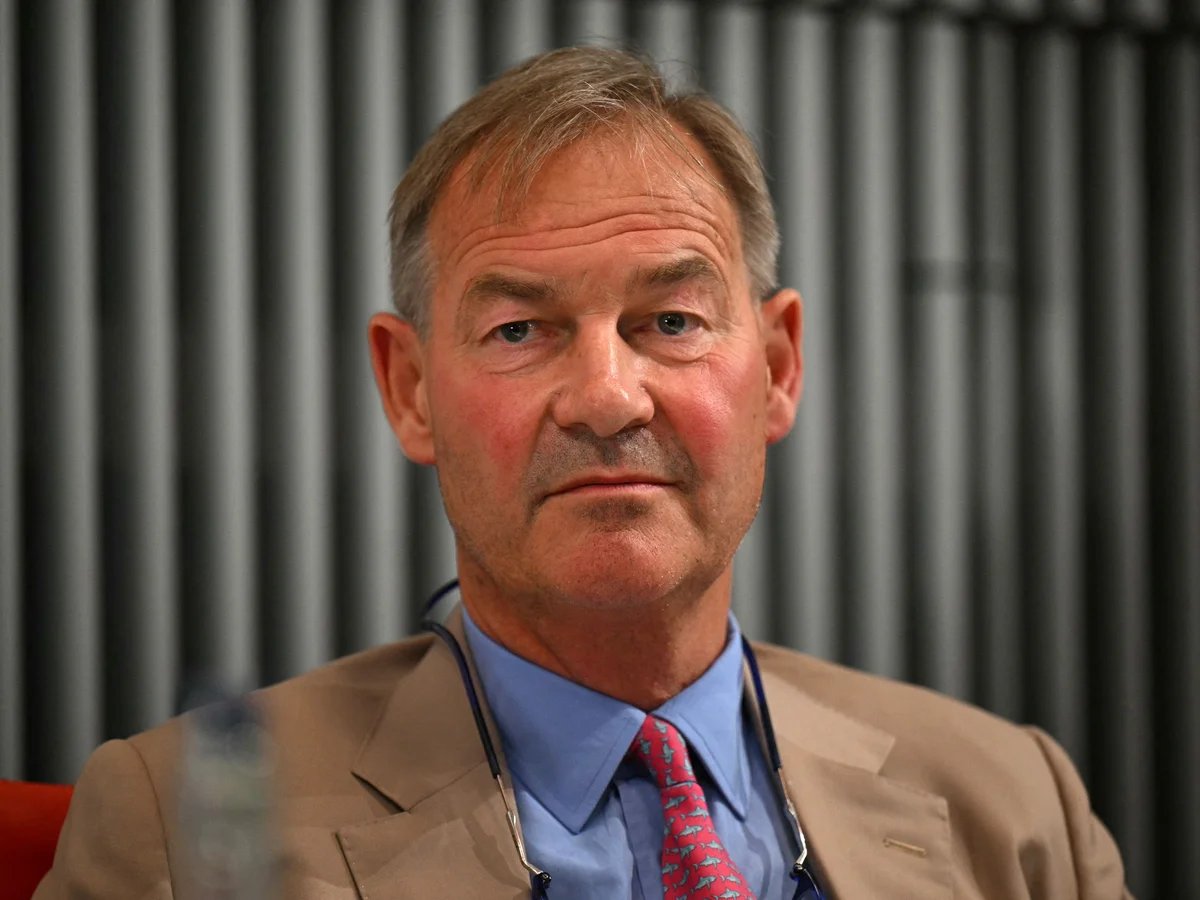
The debate has been further intensified by comments from Rupert Lowe, who has publicly criticised aspects of how authorities have responded to historic and ongoing safeguarding concerns.
His remarks have added further fuel to an already polarised environment, with supporters arguing that such criticism highlights necessary scrutiny, while opponents say it risks oversimplifying a complex and deeply sensitive issue.
A politically charged national debate
The “grooming gang” debate in the UK has long been one of the most sensitive and politically charged topics in recent years.
It involves historical cases of child exploitation that have led to criminal convictions across multiple regions and has sparked widespread discussion about institutional failures, policing, social services, and political accountability.
Critics of local and national leadership argue that earlier failures to act decisively allowed vulnerable individuals to be exposed to prolonged harm.
They claim that lessons have not been fully learned and that transparency remains inconsistent across different institutions.
On the other side, many commentators and political figures caution against the way the issue is sometimes framed in public discourse.
They argue that the topic is frequently used in partisan debates, potentially distorting facts and unfairly attributing collective institutional failures to individual political figures who were not directly involved in operational decision-making.
This tension between accountability and politicisation has made the issue particularly volatile, especially in the age of social media where narratives can spread rapidly and often without full context.
Pressure on public officials
As mayor of one of the world’s largest and most complex cities, Sadiq Khan has often been drawn into national debates that extend beyond his direct responsibilities.
While policing in London falls under the Metropolitan Police rather than the Mayor’’s direct control, the mayoral office is still politically associated with public safety outcomes and broader trust in governance.
Opponents argue that leadership figures should take moral responsibility when systemic failures occur under their watch, even indirectly.
Supporters counter that conflating different layers of responsibility risks unfairly politicising operational issues that require structural reform rather than symbolic resignations.
This divide has contributed to the perception of “growing pressure,” though the nature and legitimacy of that pressure remain widely disputed depending on political alignment.
The role of political rhetoric
One of the most contentious aspects of the debate is how language is used by public figures and commentators.
Critics argue that certain narratives risk inflaming public sentiment by focusing heavily on individual politicians rather than systemic issues such as safeguarding procedures, resource allocation, and inter-agency communication failures.
Supporters of stronger criticism, however, maintain that political leaders cannot distance themselves from major public concerns, especially when trust in institutions is already strained.
From this perspective, high-profile accountability is seen as a necessary mechanism for restoring confidence.
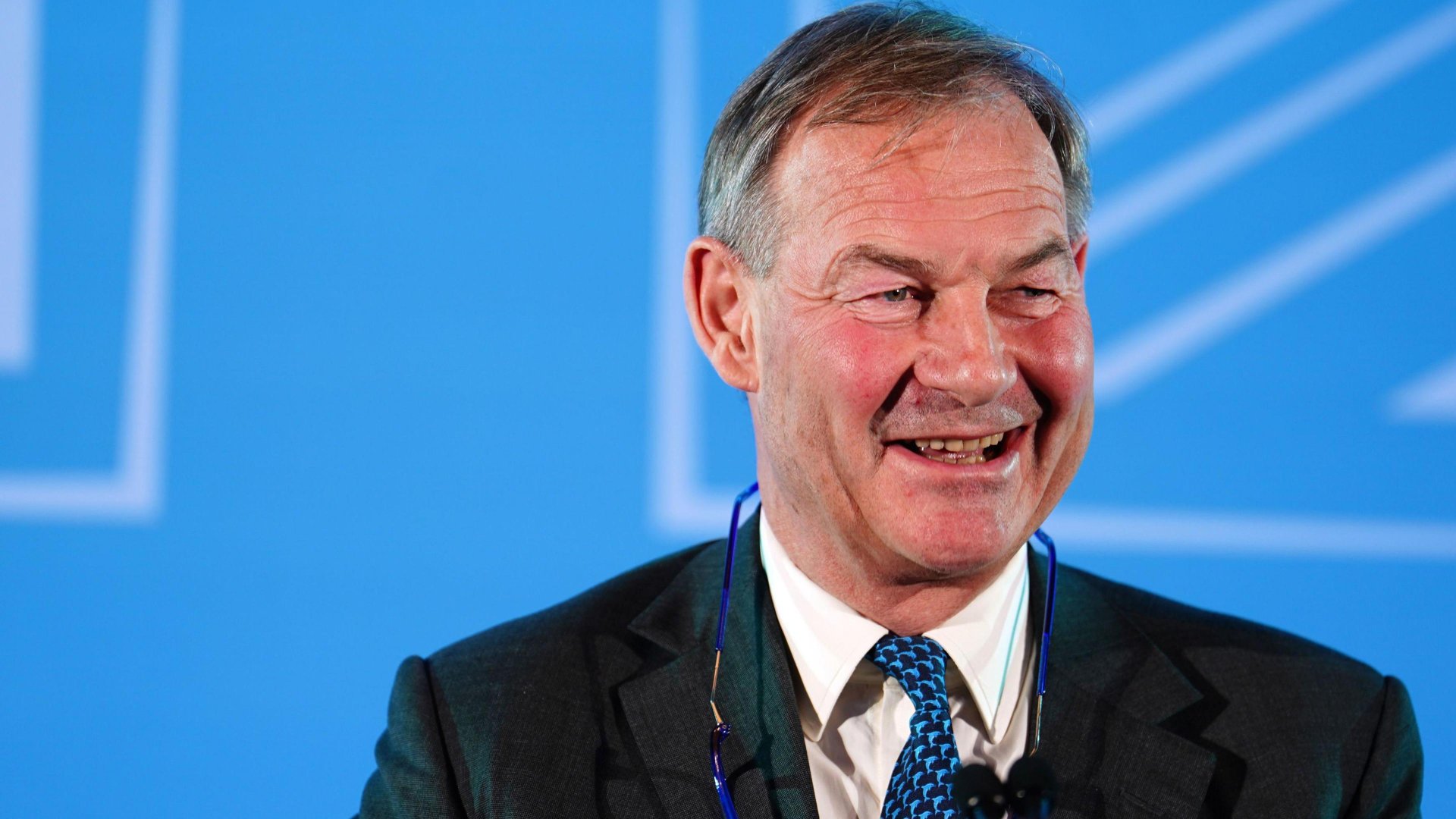
Rupert Lowe’s intervention has therefore become part of a broader rhetorical struggle over how responsibility should be assigned and who should be held politically accountable.
Public reaction remains divided
Public opinion on the issue remains sharply divided.
Some members of the public believe that stronger political consequences are necessary when large-scale institutional failures occur, arguing that resignations or leadership changes are sometimes required to restore trust.
Others believe that resignation demands risk oversimplifying complex governance systems and may distract from meaningful reforms such as improving safeguarding frameworks, strengthening oversight bodies, and ensuring consistent enforcement of child protection laws.
This divide reflects a broader pattern in modern politics, where emotional public issues often become focal points for wider debates about trust, governance, and political legitimacy.
A debate unlikely to fade
Despite repeated calls for clarity and resolution, the controversy surrounding the grooming gang issue shows no signs of disappearing from public discourse.
Instead, it continues to resurface in cycles, often triggered by new statements, political commentary, or media coverage.
For Sadiq Khan, the challenge lies not only in addressing London’s governance responsibilities but also in navigating a national political environment where his role is frequently referenced in broader debates beyond his direct control.
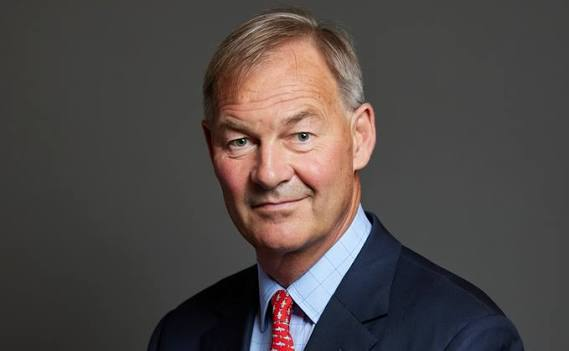
For critics like Rupert Lowe and others, the issue remains a symbol of what they see as deeper failures in accountability across UK institutions.
🗳️ Final question
With political tensions rising and public debate intensifying:
Should Sadiq Khan resign or remain in office?
