Tuchel’s Wild Experiment? England’s 6-4 Victory Over France Sparks Debate After One of the Craziest World Cup Matches Ever
Tuchel’s Wild Experiment? England’s 6-4 Victory Over France Sparks Debate After One of the Craziest World Cup Matches Ever

The 2026 FIFA World Cup third-place playoff between England and France was supposed to be little more than a consolation fixture. Instead, it became one of the most unforgettable matches in World Cup history.
Ten goals. End-to-end attacks. A Bukayo Saka hat-trick. Two goals from Kylian Mbappé. Michael Olise creating chance after chance with two assists. Neither side received a single yellow card despite the frantic pace. Fans inside the stadium and millions watching around the world witnessed ninety minutes of pure entertainment.
England eventually claimed a thrilling 6-4 victory, securing third place in spectacular fashion. Yet when the final whistle blew, the biggest discussion was not the scoreline.
It was Thomas Tuchel.
Across social media, television studios, and football forums, one question quickly emerged:
Did Tuchel intentionally allow England to play this way to prove a point to his critics?
A Completely Different England
Anyone who watched England’s World Cup semifinal against Argentina only a few days earlier noticed a dramatic contrast.
Against Argentina, Tuchel’s side became extremely compact after taking the lead. England defended deep, reduced spaces, and attempted to protect their advantage. The approach drew enormous criticism after Argentina eventually came back to win.
Pundits accused Tuchel of inviting pressure.
Supporters claimed England should have continued attacking instead of sitting back.
Some even argued that Tuchel’s conservative philosophy cost England a place in the World Cup final.
The third-place match against France looked like football from another planet.
England refused to retreat.
Even after establishing a comfortable lead, their defensive line stayed surprisingly high. Full-backs continued overlapping. Midfielders kept committing numbers forward. Instead of controlling possession and slowing the game, England repeatedly attacked at full speed.
The result was chaos.
A Defensive Masterclass? Not Even Close
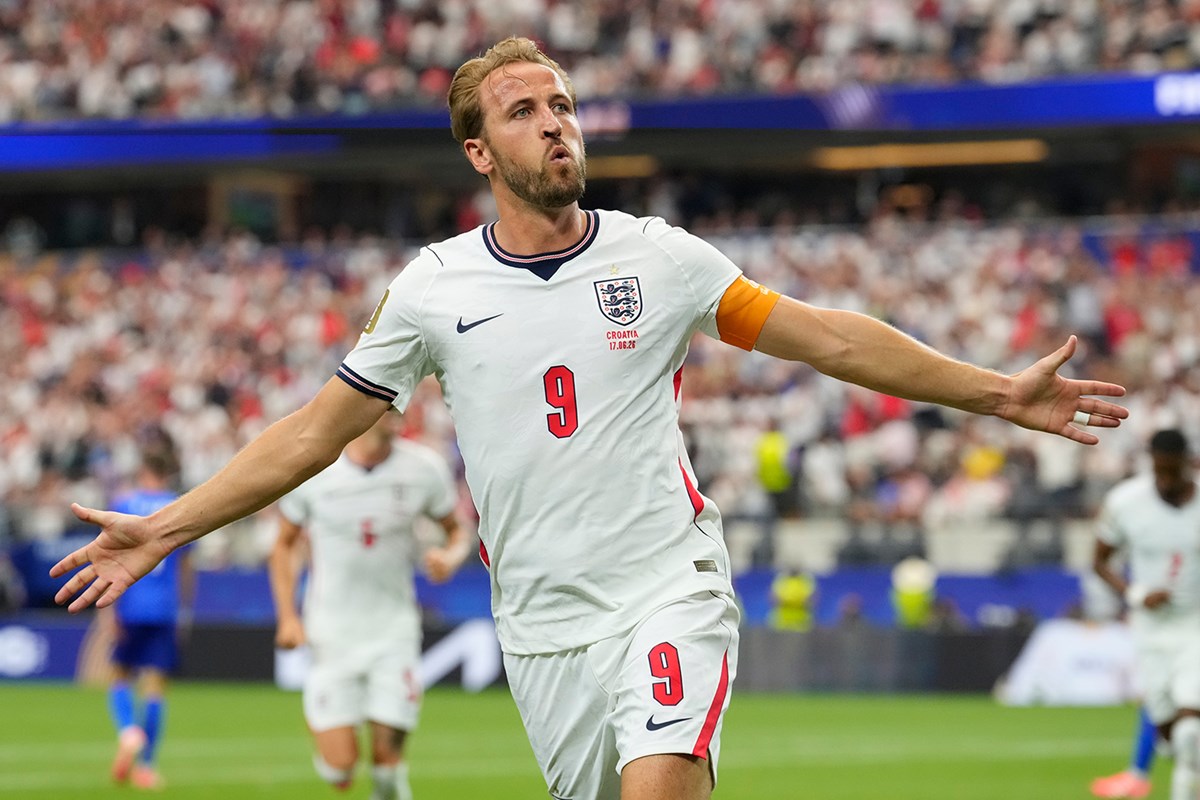
No serious football analyst would describe the match as a tactical masterpiece defensively.
Both teams left enormous spaces behind their back lines.
France repeatedly found Mbappé running into open channels with frightening ease. England looked vulnerable almost every time France attacked with pace.
At the other end, France pushed so many players forward that Bukayo Saka, Marcus Rashford, and England’s attackers constantly found themselves racing directly toward Mike Maignan.
For neutral supporters, it was football at its most entertaining.
For defensive coaches, it was probably ninety minutes of nightmares.
Neither side seemed interested in tactical fouls.
Neither side attempted to slow the tempo.
Neither side showed much interest in protecting defensive structure.
Remarkably, the referee finished the match without showing a single yellow card.
That statistic alone perfectly summarizes the spirit of the contest.
Was Tuchel Sending a Message?
This is where the debate becomes fascinating.
Many supporters believe Tuchel was making a statement rather than simply coaching another football match.
Following the semifinal defeat, criticism reached extraordinary levels.
Television analysts questioned his methods.
Former players challenged his philosophy.
Newspapers described England’s performance as overly negative.
Even public figures outside football joined the discussion.
For a manager who has won the UEFA Champions League and coached at the highest level for more than a decade, the criticism became relentless.
So what if Tuchel decided to respond in the most effective way possible?
Not through interviews.
Not through press conferences.
But through football itself.
England attacked almost recklessly against France.
They played exactly the aggressive football many critics had demanded after the semifinal.
And what happened?
England scored six goals.
They also conceded four.
“This Is What You Wanted”
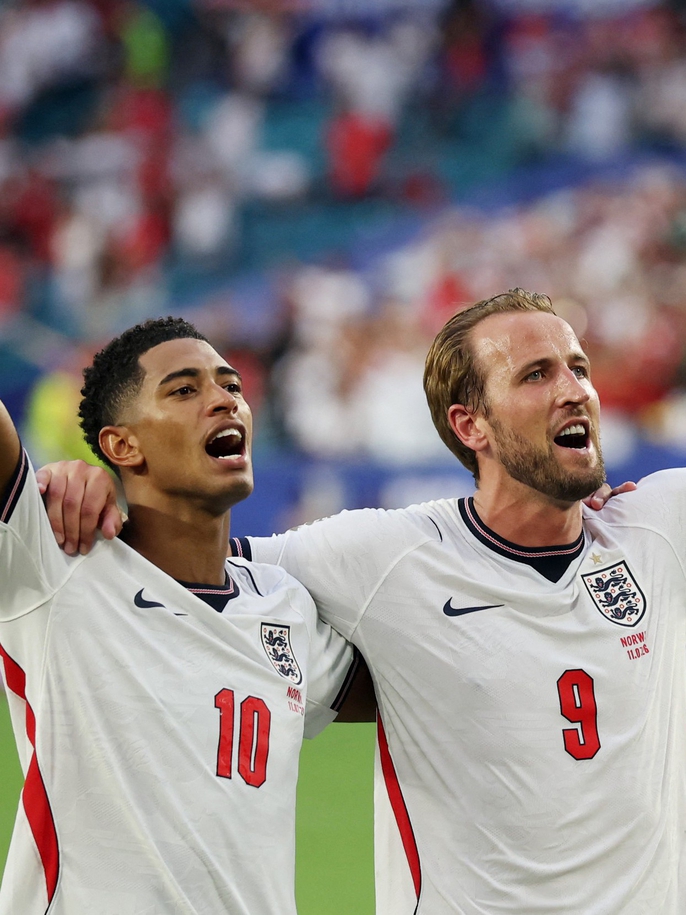
Across online football communities, one popular joke spread rapidly after the match.
“Tuchel gave everyone exactly what they asked for.”
The comment was humorous, but it carried an interesting point.
Many fans had insisted England should continue attacking after taking the lead against Argentina.
Against France, England did exactly that.
The match instantly became open.
France created countless dangerous opportunities.
Mbappé enjoyed far more space than he ever received against England in the semifinal.
Had this been a knockout match rather than a third-place playoff, such defensive openness could easily have resulted in elimination.
Perhaps Tuchel wanted everyone to see the trade-off.
Aggressive football creates excitement.
It also creates vulnerability.
Managers must constantly balance entertainment with winning.
Entertainment Versus Results
Modern football increasingly demands managers satisfy two audiences.
The first wants victories.
The second wants beautiful football.
Unfortunately, those two objectives do not always align.
Pep Guardiola’s Manchester City has occasionally managed both.
Most teams cannot.
International football is even less forgiving because managers have very limited preparation time.
Tuchel has often preferred organization over spectacle.
His Chelsea side won the Champions League through defensive discipline.
His previous club teams were built around structure rather than constant attacking freedom.
England’s semifinal reflected those principles.
The third-place playoff reflected the opposite.
Perhaps neither performance represented Tuchel’s true philosophy.
Perhaps one reflected tournament football.
The other reflected a match with relatively little pressure.
Bukayo Saka Stole the Headlines
While tactical debates dominated post-match discussions, individual performances should not be ignored.
Bukayo Saka delivered one of the finest performances of the tournament.
His hat-trick demonstrated outstanding movement, clinical finishing, and confidence.
Every time England transitioned quickly, Saka looked dangerous.
Marcus Rashford also enjoyed one of his best attacking displays, repeatedly exploiting France’s advanced defensive line.
On the French side, Mbappé reminded everyone why he remains among the world’s most feared forwards.
His two goals came from intelligent movement and devastating acceleration.
Whenever England’s defenders left space behind them, Mbappé looked capable of scoring.
Michael Olise quietly produced another outstanding performance with two assists, continuing his impressive tournament.
The Thin Line Between Genius and Failure
Mbappé recently made an observation that perfectly fits this debate.
In football, tactics are judged almost entirely by results.
Win, and you are called a genius.
Lose, and people call you a fool.
That may sound simplistic, but football history repeatedly proves it true.
Against Argentina, Tuchel’s defensive approach nearly worked.
England protected their lead for long periods before finally conceding.
Had they held on for just a little longer, the same tactical plan might have been praised as disciplined and intelligent.
Instead, defeat transformed the narrative.
Suddenly, caution became cowardice.
Pragmatism became negativity.
The margin between admiration and criticism was incredibly small.
Looking Toward Euro 2028
Despite criticism, Tuchel’s overall tournament should not be dismissed.
England finished third at the World Cup.
That represents one of the country’s strongest performances on football’s biggest stage.
More importantly, England demonstrated they possess attacking talent capable of competing with any nation.
The challenge now is finding the right balance.
Supporters understandably want exciting football.
Managers understandably prioritize winning.
The ideal solution lies somewhere between England’s disciplined semifinal approach and the complete attacking chaos witnessed against France.
Whether Tuchel intentionally created this football spectacle to answer his critics may never be confirmed.
Only he truly knows.
But one thing is certain.
The 6-4 victory over France has become far more than a thrilling third-place playoff.
It has become a fascinating case study in modern football philosophy.
Should managers always entertain?
Should they always prioritize results?
Or is the greatest responsibility of any coach simply to give his team the best chance of winning, regardless of how attractive the football looks?
Those questions will continue to divide supporters long after the ten unforgettable goals have faded from memory.
