BREAKING: Andy Burnham Faces First Major Labour Rebellion Over Controversial Welfare Cuts
BREAKING: Andy Burnham Faces First Major Labour Rebellion Over Controversial Welfare Cuts


LONDON — British Prime Minister Andy Burnham is confronting the first significant internal rebellion of his premiership after dozens of Labour MPs warned they could oppose planned welfare reforms they describe as “punitive” toward disabled people and low-income families. The dispute has rapidly become one of the biggest political tests for Burnham since taking office, exposing ideological divisions within Labour over how to balance public finances with protecting the welfare state. (The Telegraph)
The emerging revolt highlights a familiar challenge for Labour governments: reconciling promises of fiscal responsibility with the party’s traditional commitment to supporting society’s most vulnerable.
Growing Resistance Inside Labour
According to reports from Westminster, a number of Labour MPs have privately and publicly expressed concern that the Government is preparing measures designed to reduce the rapidly expanding welfare bill through tighter eligibility rules and stronger work-related requirements.
Critics inside the party argue that any reforms must focus on helping people into employment rather than introducing measures that could reduce financial support for disabled people or vulnerable households.
Several MPs have reportedly warned that if the final package contains sanctions or significant reductions in support, they would be prepared to vote against the Government—potentially creating Burnham’s first parliamentary rebellion. (The Telegraph)
Why Welfare Reform Is Back on the Agenda
The UK welfare budget has continued to increase in recent years, placing additional pressure on public finances during a period of slow economic growth, rising healthcare costs, and demands for increased spending on defence, housing, and public services.
Government ministers argue that welfare spending must become more sustainable while encouraging greater participation in the workforce.
Supporters of reform believe that:
-
More people should be helped into employment where possible.
-
Long-term benefit dependency should be reduced.
-
Taxpayer money must be spent more efficiently.
-
Welfare should prioritize those with the greatest need.
Officials insist that reform is intended to modernize the system rather than dismantle it.
Critics Fear the Most Vulnerable Will Pay the Price
Opponents inside Labour argue that reducing benefits or introducing stricter assessments risks placing additional hardship on people already facing financial pressures.
Many MPs have emphasized that disabled individuals, people with chronic illnesses, carers, and low-income families could be disproportionately affected if support becomes harder to access.
Some Labour backbenchers have reportedly described potential proposals as “punitive,” arguing they could increase poverty rather than reduce welfare dependency. (inkl)
Several MPs have called for reforms centred on investment in employment support, healthcare, skills training, and workplace accessibility instead of benefit reductions.
A Difficult Political Balancing Act
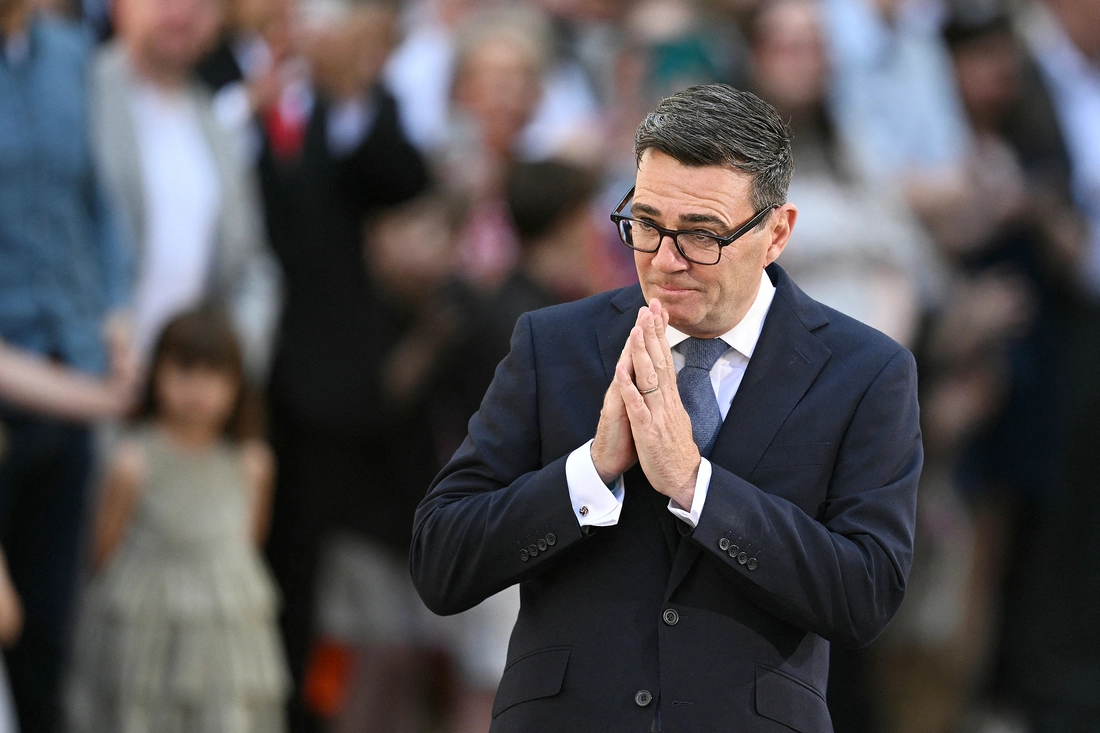
Burnham entered Downing Street promising both economic competence and social justice.
That combination is proving difficult to maintain.
Financial markets continue to expect discipline over public spending, while Labour supporters expect meaningful protection for the welfare state.
Political analysts note that every government eventually encounters a defining internal dispute, and this welfare debate may become Burnham’s first major leadership challenge.
If ministers soften the proposals, critics may argue the Government lacks the resolve to tackle rising expenditure.
If they proceed with tougher reforms, they risk alienating a significant section of Labour MPs.
Echoes of Previous Labour Divisions
The dispute also revives memories of earlier battles within Labour over welfare policy.
Previous disagreements surrounding benefit caps, child poverty measures, and social security reforms exposed long-running tensions between the party’s more centrist and more progressive wings.
Although Burnham has attempted to present himself as a unifying leader, this controversy suggests ideological differences remain deeply embedded within Labour’s parliamentary ranks. (The Guardian)
Opposition Watching Closely
Opposition parties are expected to seize on the divisions.
Conservative politicians are likely to argue Labour cannot agree on how to manage public finances, while Reform UK may attempt to portray the disagreement as evidence of government instability.
At the same time, left-wing campaigners could intensify pressure on Labour MPs to reject any legislation they believe weakens the social safety net.
The political outcome may depend not only on the substance of the reforms but also on how effectively the Government communicates its intentions.
Public Opinion May Be Divided
The welfare debate often divides public opinion.
Some voters believe governments must reduce long-term welfare dependency and encourage employment wherever possible.
Others argue that many claimants rely on benefits because of disability, ill health, caring responsibilities, or structural barriers beyond their control.
This means Burnham faces pressure from multiple directions:
-
Fiscal conservatives demanding spending restraint.
-
Labour MPs seeking stronger protections for vulnerable people.
-
Businesses calling for greater workforce participation.
-
Charities warning against increasing poverty.
Balancing these competing priorities will be one of the defining challenges of his early premiership.
What Happens Next?
No final legislation has yet been approved, meaning negotiations within Labour are expected to continue.
Ministers may amend or soften elements of the proposed reforms in an effort to avoid a damaging parliamentary defeat.
However, if enough Labour MPs refuse to support the Government, Burnham could face the first major legislative setback of his time as Prime Minister—an outcome that would carry political consequences far beyond welfare policy.
The coming days are therefore likely to determine not only the future of Britain’s welfare system but also the strength of Burnham’s authority over his own parliamentary party.
Conclusion
Andy Burnham’s first internal confrontation as Prime Minister has placed Labour’s competing priorities under intense scrutiny. On one side lies the pressure to control public spending and reform welfare; on the other stands the party’s longstanding commitment to protecting vulnerable citizens.
Whether Burnham can bridge those competing demands without deepening divisions inside Labour may shape both his leadership and the direction of UK social policy in the months ahead. As negotiations continue, Westminster will be watching closely to see whether compromise prevails—or whether the rebellion grows into a defining political crisis. (The Telegraph)
