Bellingham vs Tuchel: England’s World Cup Dream Hit by a Sudden Dressing Room Storm After Norway Victory
Bellingham vs Tuchel: England’s World Cup Dream Hit by a Sudden Dressing Room Storm After Norway Victory

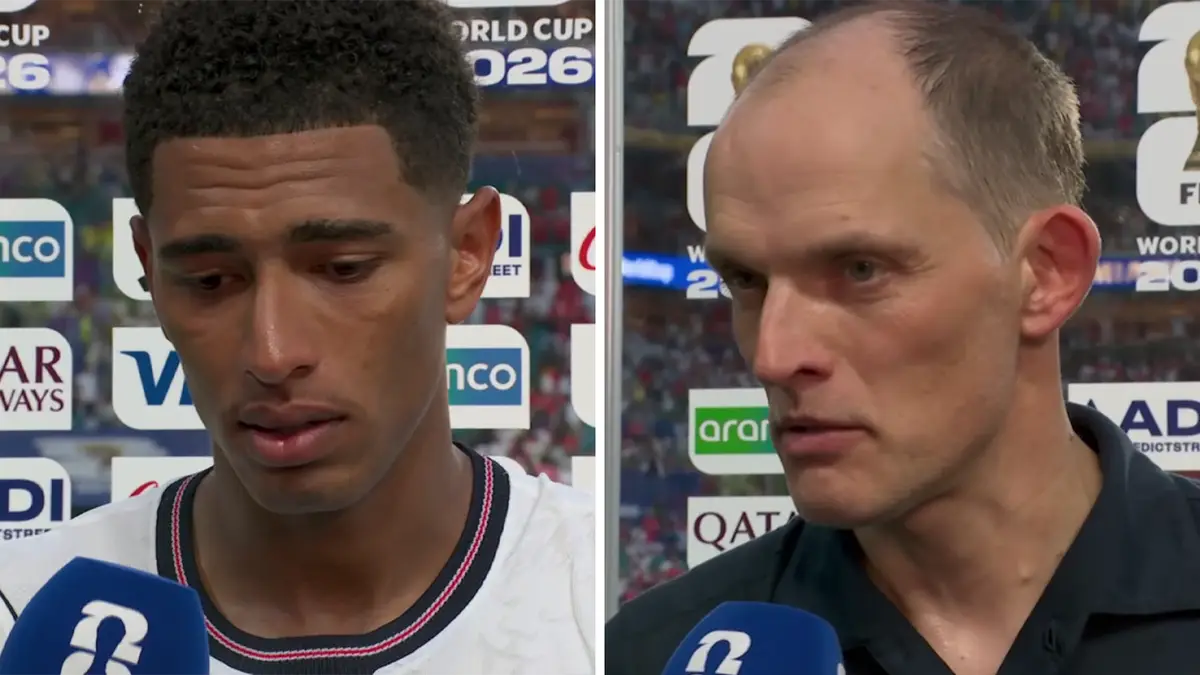
England reached another historic milestone at the 2026 FIFA World Cup, defeating Norway to book their place in the semi-finals. Jude Bellingham was once again the hero, scoring twice in a dramatic extra-time battle that pushed the Three Lions closer to ending their 60-year wait for another World Cup trophy.
But instead of celebrating a famous victory, the headlines in England quickly shifted toward something far more controversial: a public disagreement between Jude Bellingham and head coach Thomas Tuchel.
What should have been a night of unity suddenly became a discussion about leadership, criticism, and whether England’s biggest star and their manager are beginning to see the game through completely different perspectives.
A dramatic night in Miami turns into a heated debate
England’s victory over Norway was anything but comfortable.
The Three Lions found themselves under pressure after Norway took the lead, with Erling Haaland’s side causing problems throughout the match. England struggled to control possession, failed to create consistent attacking rhythm, and looked vulnerable against Norway’s quick transitions.
Bellingham eventually rescued his team.
The Real Madrid midfielder produced another world-class performance, scoring the equaliser before half-time and then delivering the decisive goal in extra time to send England into the semi-finals.
For many supporters, it was another example of Bellingham’s ability to perform when the pressure is at its highest.
However, immediately after the final whistle, Thomas Tuchel delivered a surprising assessment of his own team.
The German coach did not focus on the celebration. Instead, he openly admitted he was unhappy with England’s performance.
“We were lucky. I am not happy with the performance of the team.”
Tuchel continued by explaining that England had made tactical mistakes, lacked speed, and created unnecessary difficulties for themselves.
The comments immediately created debate.
Many fans understood Tuchel’s point. A manager must demand improvement, especially from a team with ambitions of winning the World Cup.
But others questioned the timing.
England had just survived 120 minutes against one of the tournament’s strongest opponents, in extreme Miami heat and humidity, and had shown incredible fighting spirit.
For some players, Tuchel’s criticism felt like it ignored the reality of what they had just achieved.
Bellingham’s unexpected reaction

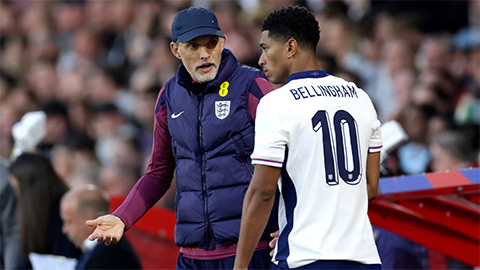
Among those surprised by Tuchel’s comments was Jude Bellingham.
When reporters asked the midfielder about his manager’s assessment, his initial reaction showed clear frustration.
“He can say what he wants…”
The 23-year-old quickly changed his tone and shifted focus toward his teammates, defending the group effort.
Bellingham insisted that England’s players deserved recognition for surviving an extremely difficult match.
“What I want to talk about is my teammates. They gave everything in a very difficult game.”
His message was clear: winning at a World Cup is not always about producing perfect football.
Sometimes, it is about character.
Sometimes, it is about surviving.
And sometimes, champions are created through difficult victories rather than beautiful performances.
Bellingham later suggested that Tuchel’s criticism did not fully reflect the challenge England had faced.
The midfielder pointed out that playing against Norway’s attacking stars, including Haaland, Martin Ødegaard and Antonio Nusa, was never going to be simple.
“Maybe he doesn’t know what it’s like to play in these conditions against players like that.”
Those words immediately attracted attention.
Some interpreted them as a direct challenge to his manager.
Others saw them as a passionate defence of teammates who had just delivered one of the biggest wins of their careers.
A disagreement built on different football philosophies

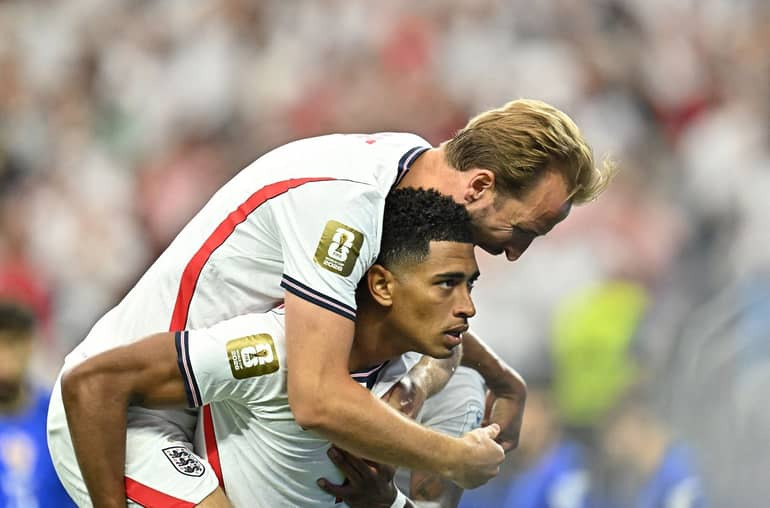
The tension between Bellingham and Tuchel appears to come from a deeper difference in football philosophy.
Tuchel is known as a perfectionist.
Throughout his coaching career, the former Chelsea and Bayern Munich manager has demanded tactical discipline, intensity, and control. For him, winning is important, but the process behind the victory matters equally.
He believes elite teams must constantly improve.
Bellingham, however, represents a different mentality.
The Real Madrid star has built his reputation on leadership, emotion, and personality. He believes football is not always predictable and that great teams must find different ways to win.
His argument after the Norway match reflected the mentality of a player who has experienced the highest pressure situations at club level.
At Real Madrid, Bellingham has learned that Champions League victories are not always achieved through perfect performances.
Sometimes they come through late goals, defensive sacrifices, and pure determination.
That mentality helped England defeat Norway.
But it also created a clash with Tuchel’s expectations.
The history between Bellingham and Tuchel
This latest disagreement has revived memories of previous tensions between the two figures.
During the 2025/26 season, reports suggested that Bellingham and Tuchel had experienced several moments of disagreement over tactics, positioning, and expectations.
Bellingham has always been a player who wants freedom.
He likes to influence every part of the game, moving between midfield and attack, creating chances, scoring goals, and taking responsibility.
Tuchel, meanwhile, often prefers strict tactical roles.
The German coach believes every player must follow the structure of the team.
That difference has occasionally created frustration.
For Bellingham, limiting his instincts can feel restrictive.
For Tuchel, allowing too much freedom can damage team balance.
The World Cup has intensified the situation because both men carry enormous responsibility.
Bellingham is England’s biggest star.
Tuchel is the man trusted to deliver the nation’s first World Cup title since 1966.
Kane steps in to calm the situation
Harry Kane, England’s captain, quickly attempted to reduce the drama.
The Bayern Munich striker explained that Tuchel’s comments were not an attack on the players.
According to Kane, the manager praised the team inside the dressing room and celebrated the victory.
However, Tuchel also reminded them that improvement was still possible.
Kane suggested that this should be viewed positively.
If England can reach a World Cup semi-final and still believe they can improve, that shows the ambition of the team.
The captain’s comments highlighted an important point.
Criticism does not always mean conflict.
Elite teams often require uncomfortable conversations.
The question is whether those conversations strengthen a team or create division.
Tuchel refuses to apologise
Facing questions about the controversy, Tuchel attempted to calm the situation but refused to change his opinion.
He praised his players’ mentality and resilience but maintained that England could perform better.
“I love my players. They always overcome difficulties, but I have my standards.”
Tuchel also rejected suggestions that there was a split inside the dressing room.
“No. Not even one percent.”
The manager insisted that his relationship with the players remained strong.
However, the public disagreement had already created headlines.
For the first time during England’s World Cup campaign, the spotlight was not only on their performances, but also on the relationship between their biggest player and their manager.
A dangerous moment or a sign of champions?

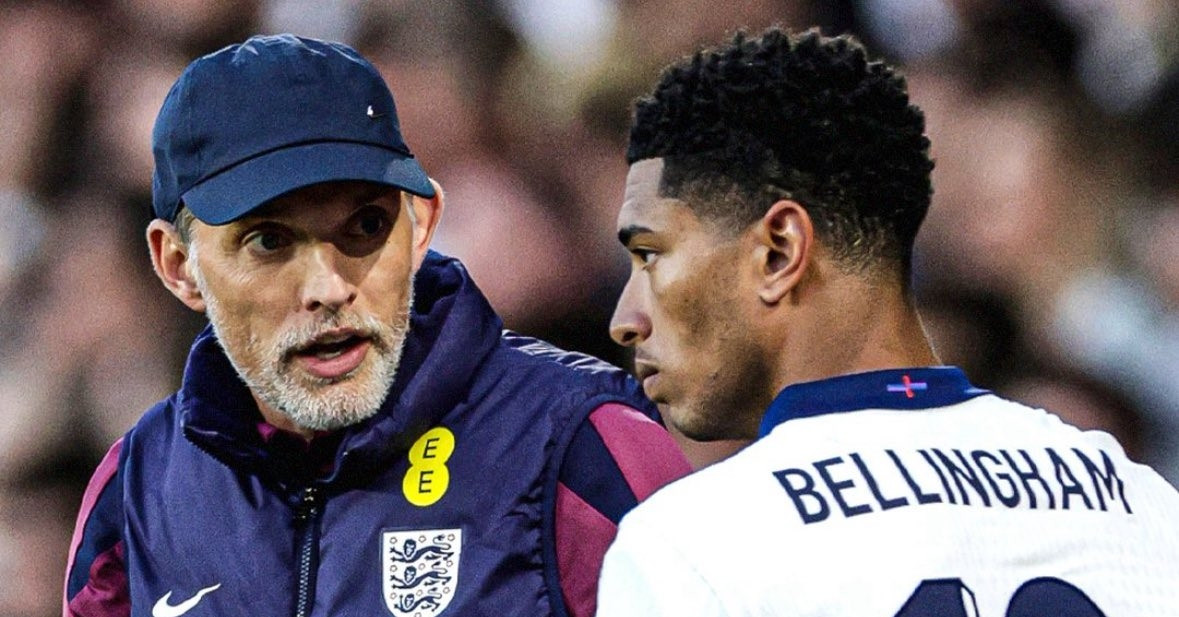
History shows that successful teams often experience internal disagreements.
Great players challenge managers.
Great managers challenge players.
The key question is whether those disagreements become destructive or productive.
Bellingham’s reaction showed a player protecting his teammates and defending their effort.
Tuchel’s criticism showed a manager refusing to accept anything less than excellence.
Both sides have a point.
England cannot afford complacency if they want to win the World Cup.
But they also cannot lose the confidence and unity that brought them this far.
The semi-final will reveal whether the Bellingham-Tuchel tension was simply an emotional moment after a difficult victory or the beginning of a deeper problem.
For now, England remain alive.
And as long as Jude Bellingham continues producing moments of magic, the Three Lions will believe that anything is possible.
But one thing is certain: the relationship between England’s superstar midfielder and their demanding German coach will remain one of the biggest stories of this World Cup.
