FIFA Considers Historic Expansion to 64-Team World Cup in 2030: A New Era for Global Football?
FIFA Considers Historic Expansion to 64-Team World Cup in 2030: A New Era for Global Football?
The FIFA World Cup could be on the verge of another revolutionary transformation.
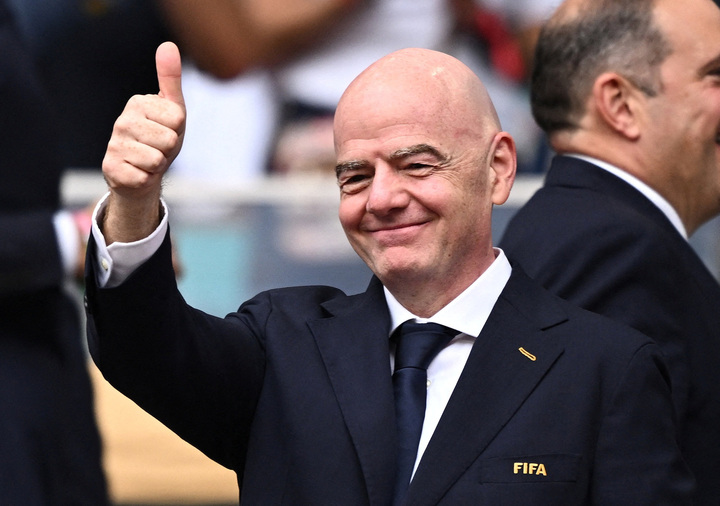
FIFA president Gianni Infantino has confirmed that the governing body is seriously considering expanding the 2030 FIFA World Cup from 48 teams to an unprecedented 64 nations, adding another 16 countries to football’s biggest tournament. The proposal, which is expected to be discussed after the conclusion of the 2026 World Cup, could fundamentally change the landscape of international football.
If approved, the 2030 edition would become the largest World Cup in history, further cementing FIFA’s ambition to make football a truly global event.
A World Cup Like No Other
The 2030 FIFA World Cup is already unique before a single ball has been kicked.
The tournament will celebrate the 100th anniversary of the inaugural World Cup held in Uruguay in 1930. To honor that historic milestone, Uruguay, Argentina, and Paraguay will each host one opening match before the tournament shifts to its main hosts—Morocco, Portugal, and Spain. The event will therefore span three continents and six different countries, making it the most geographically diverse World Cup ever staged.
Now, FIFA could add another extraordinary element by increasing the number of participating teams to 64.
Speaking about the proposal, Infantino emphasized that FIFA’s primary objective is to make football more inclusive and provide opportunities to nations that historically struggle to reach the World Cup stage.
Why Is FIFA Considering Another Expansion?
The idea of expansion is not entirely surprising.
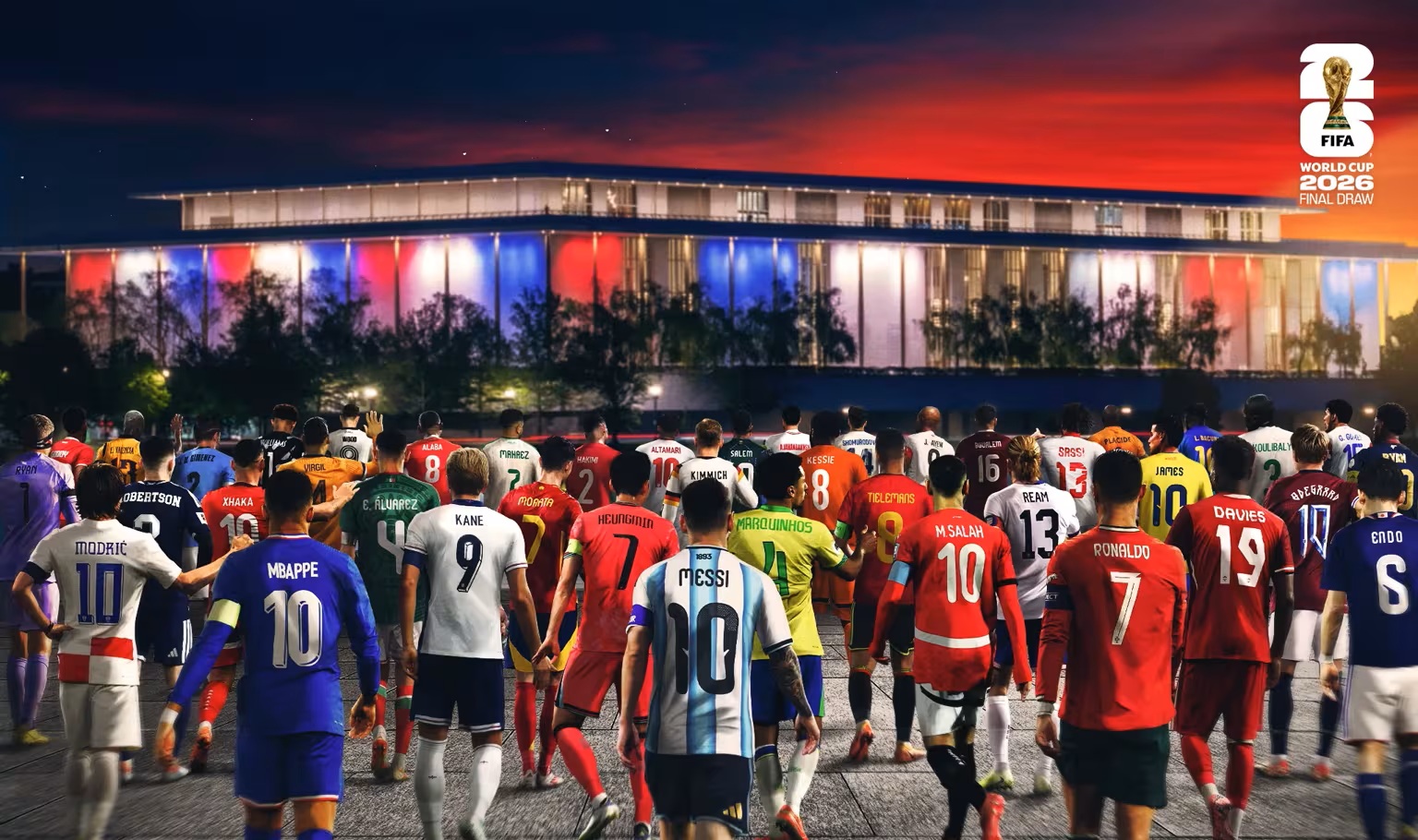
For decades, the World Cup featured only 32 teams, a format introduced in France 1998. Beginning with the 2026 edition in the United States, Canada, and Mexico, FIFA expanded the tournament to 48 teams, increasing participation by 16 additional nations.
Initially, many critics feared that a larger tournament would dilute the quality of the competition. However, the ongoing 2026 World Cup has provided FIFA with evidence to support its expansion plans.
Several nations that were considered outsiders have delivered impressive performances, while teams from every confederation have proven they can compete on the biggest stage. According to Infantino, the expanded tournament has shown that giving more countries an opportunity to participate can elevate football development worldwide.
For FIFA, a 64-team tournament represents more than simply adding matches. It is about increasing global representation and ensuring that smaller football nations have a realistic dream of qualifying for the World Cup.
How Would a 64-Team Format Work?
While FIFA has not yet officially announced the structure, several proposals have already emerged.
One possible format would consist of 16 groups of four teams, with the top two nations advancing to the knockout stage. Such a setup could create a tournament featuring as many as 128 matches, significantly more than the 104 games scheduled for the 48-team World Cup.
This would inevitably raise several logistical questions:
-
How long would the tournament last?
-
How would player welfare be protected?
-
Could host nations accommodate such a massive event?
-
Would qualification lose some of its prestige?
These are precisely the issues FIFA committees will need to examine in the coming years.
The Benefits of Expansion
Supporters of the proposal believe a 64-team World Cup could transform football in many positive ways.
More Nations, More Dreams
Many countries have never appeared at a World Cup despite decades of effort. An expanded tournament would give emerging football nations a genuine chance to participate.
Countries from Africa, Asia, Oceania, and the Caribbean would likely receive additional qualification spots, accelerating football development in those regions.
Increased Global Interest
Every additional nation participating in the World Cup brings millions of new fans, increased television audiences, and greater commercial opportunities.
Football’s popularity has exploded worldwide, and FIFA believes the World Cup should reflect that global growth.
Economic Opportunities
A larger tournament means more matches, more ticket sales, more broadcasting revenue, and increased sponsorship opportunities.
The 2026 World Cup is already projected to generate record revenues for FIFA, and a 64-team tournament could push those figures even higher.
The Critics Are Not Convinced
Despite the excitement surrounding the proposal, many football figures have expressed concerns.
The biggest criticism is that expanding to 64 teams could reduce the competitiveness of both the World Cup and the qualification process.
Historically, qualifying for the World Cup has been one of football’s greatest achievements. If nearly one-third of FIFA’s member associations qualify, some believe the tournament’s exclusivity and prestige could diminish.
Others fear that a longer tournament calendar would place an even greater burden on players, many of whom already face congested club schedules.
Travel logistics are another concern. A competition spread across six host countries and three continents already presents unprecedented challenges. Adding 16 more teams and dozens of additional matches would only increase the complexity.
Could This Benefit Smaller Nations?

For many developing football countries, the proposal could be transformative.
A 64-team World Cup would likely increase qualification spots across every confederation, creating opportunities for nations that have traditionally been on the outside looking in.
Countries like Vietnam, Uzbekistan, Iraq, Cape Verde, and Curacao have demonstrated remarkable progress in recent years and could benefit enormously from another expansion. The possibility of reaching a World Cup can inspire investment in infrastructure, youth development, and domestic leagues.
This is precisely the vision that Infantino continues to promote: a World Cup that belongs to the entire world, not only to football’s traditional superpowers.
What Happens Next?
For now, the 64-team World Cup remains a proposal rather than a finalized decision.
FIFA has confirmed that formal discussions will take place after the conclusion of the 2026 World Cup. Any decision would require extensive consultation regarding scheduling, logistics, qualification systems, and commercial implications.
Nevertheless, the fact that FIFA is seriously considering such a dramatic change indicates the direction in which international football is moving.
The World Cup has evolved from a 13-team competition in 1930 to 16 teams, then 24, then 32, and now 48. A jump to 64 teams may once have seemed unimaginable, but football’s governing body believes the game’s future lies in broader participation and greater inclusivity.
Whether fans embrace the idea or reject it, one thing is certain: the 2030 FIFA World Cup is already shaping up to be one of the most historic tournaments ever staged.
And if FIFA gives the green light, the centennial celebration of football’s greatest competition could become the biggest World Cup the world has ever seen.
