Growing Pressure on Sadiq Khan? The “Grooming Gangs” Debate Divides Britain
Growing Pressure on Sadiq Khan? The “Grooming Gangs” Debate Divides Britain
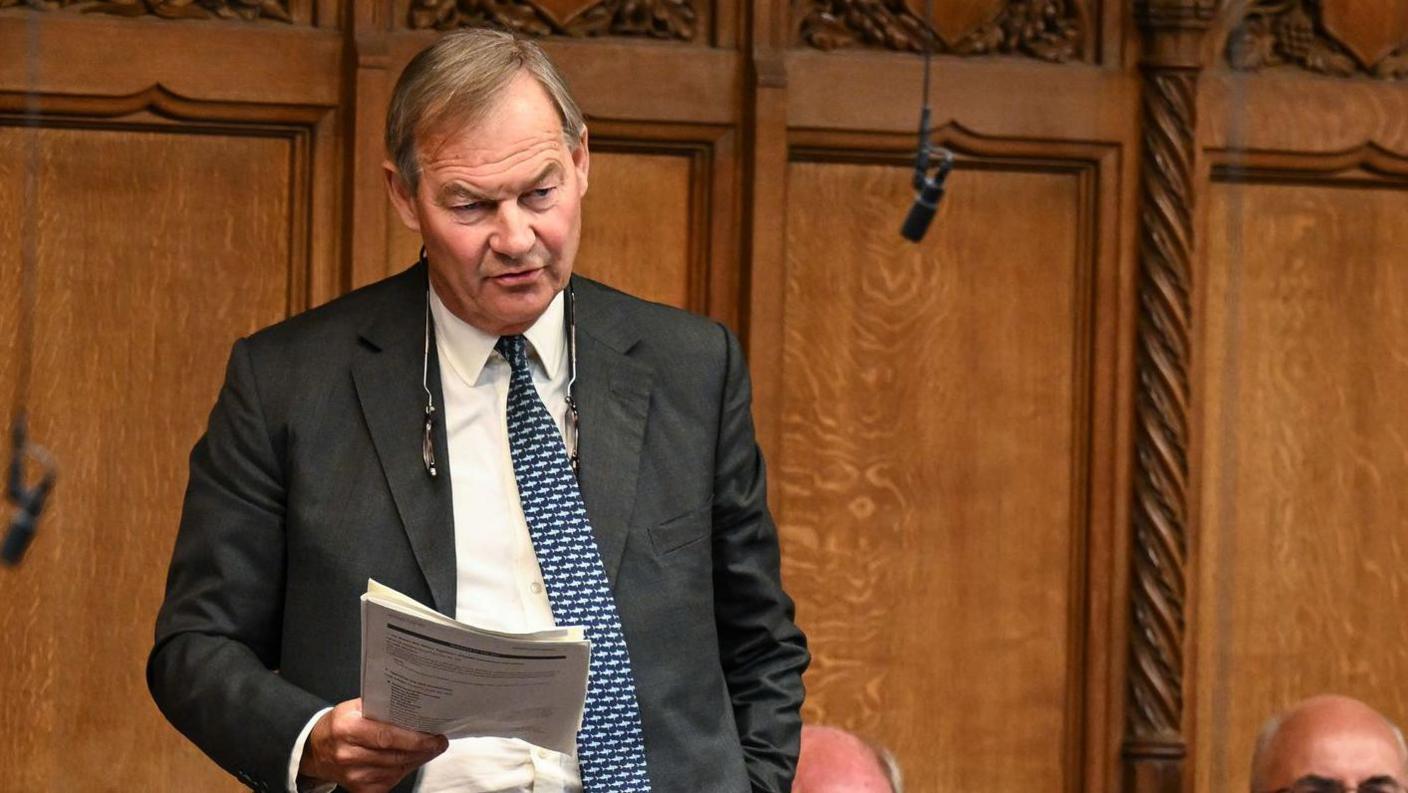
The debate surrounding so-called “grooming gangs” has once again sparked intense political controversy in the United Kingdom. This time, the focus has turned to London Mayor Sadiq Khan, who has faced strong criticism from political opponents. Former Reform UK MP Rupert Lowe has been among the most vocal critics, accusing Khan of failing to take a strong enough stance against organised sexual exploitation and of not addressing critical questions more forcefully.
While Khan’s supporters describe the criticism as politically motivated, opponents argue that it represents a serious issue of political accountability. The debate has now expanded far beyond London and has become one of the most emotionally charged political issues in the country.
What Is Behind the Controversy?
The term “grooming gangs” refers to organised groups that target, manipulate, exploit, and abuse minors. Several high-profile criminal cases in English towns and cities — including Rotherham, Rochdale, and Telford — have damaged public confidence in police forces and authorities over recent years.
Investigations into these historic cases found that warning signs were, in some instances, not properly acted upon for extended periods. Reports highlighted institutional failures, poor communication between agencies, and shortcomings in protecting vulnerable children.
Although many of these cases relate to events from previous years, the political debate regularly resurfaces whenever new calls are made for further investigations or reforms.
Rupert Lowe Escalates the Criticism
Rupert Lowe has become one of the strongest critics of the political response to the issue. In his view, British authorities must take a much tougher approach to organised sexual exploitation and fully investigate any past failures.
Through several public statements, Lowe has called for greater transparency and clearer political accountability. He argues that public trust can only be restored if potential mistakes and failures are openly examined.
Lowe has also claimed that political sensitivities and concerns over controversial discussions may have contributed to delays in addressing important issues.
His comments have gained significant attention on social media, generating thousands of reactions and debates among users.
Why Is Sadiq Khan at the Centre of Attention?
Although many historic cases are not directly connected to London’s city administration, Sadiq Khan has increasingly become a target of political criticism.
Critics argue that senior politicians should play a more active role in addressing past failures and preventing future cases. They are calling for greater transparency, stronger action against organised crime, and clearer communication with the public.
Supporters of Khan reject these accusations. They argue that the mayor has supported measures aimed at improving public safety and that the current criticism is largely driven by political motives.
According to his supporters, a highly sensitive issue is being used as a tool in wider political battles.
Calls for Greater Transparency
As the debate continues, there have been renewed demands for additional investigations and reforms.
Several politicians are calling for:
-
a complete review of previous decisions made by authorities,
-
stronger support for victims,
-
better cooperation between police, schools, and social services,
-
faster prosecution of organised criminal groups,
-
and greater accountability from public institutions.
Supporters of these measures argue that only full transparency can help rebuild public confidence.
Political Divisions Continue to Grow
The controversy has increasingly turned into a political battle.
Conservative voices have accused parts of the political establishment of failing to respond adequately to warning signs over many years.
Labour representatives, however, argue that criminal activity must be tackled regardless of background, religion, or political affiliation, and that broad accusations do not help solve the problem.
They also warn against using individual historic cases as a weapon in wider political campaigns.
Social Media Fuels the Debate
Platforms such as X, Facebook, and TikTok have played a major role in spreading clips from interviews, speeches, and political discussions.
Posts and hashtags related to the issue have quickly gained large audiences. Many users are demanding stronger action against those responsible, while others warn that the debate is becoming increasingly polarised.
Rupert Lowe’s statements in particular have been widely shared and discussed online. Supporters see them as necessary criticism of political failures, while opponents accuse him of using the issue for political advantage.
Calls for Resignation
As public attention grows, questions have also emerged over whether Sadiq Khan should face political consequences.
Some critics argue that the continuing controversy damages confidence in his leadership and have called for him to step down.
Others reject those demands, saying political responsibility should not automatically be equated with personal blame and that decisions must be based on verified facts.
At present, there are no indications that Khan is considering resignation.
An Issue That Will Continue to Challenge Britain
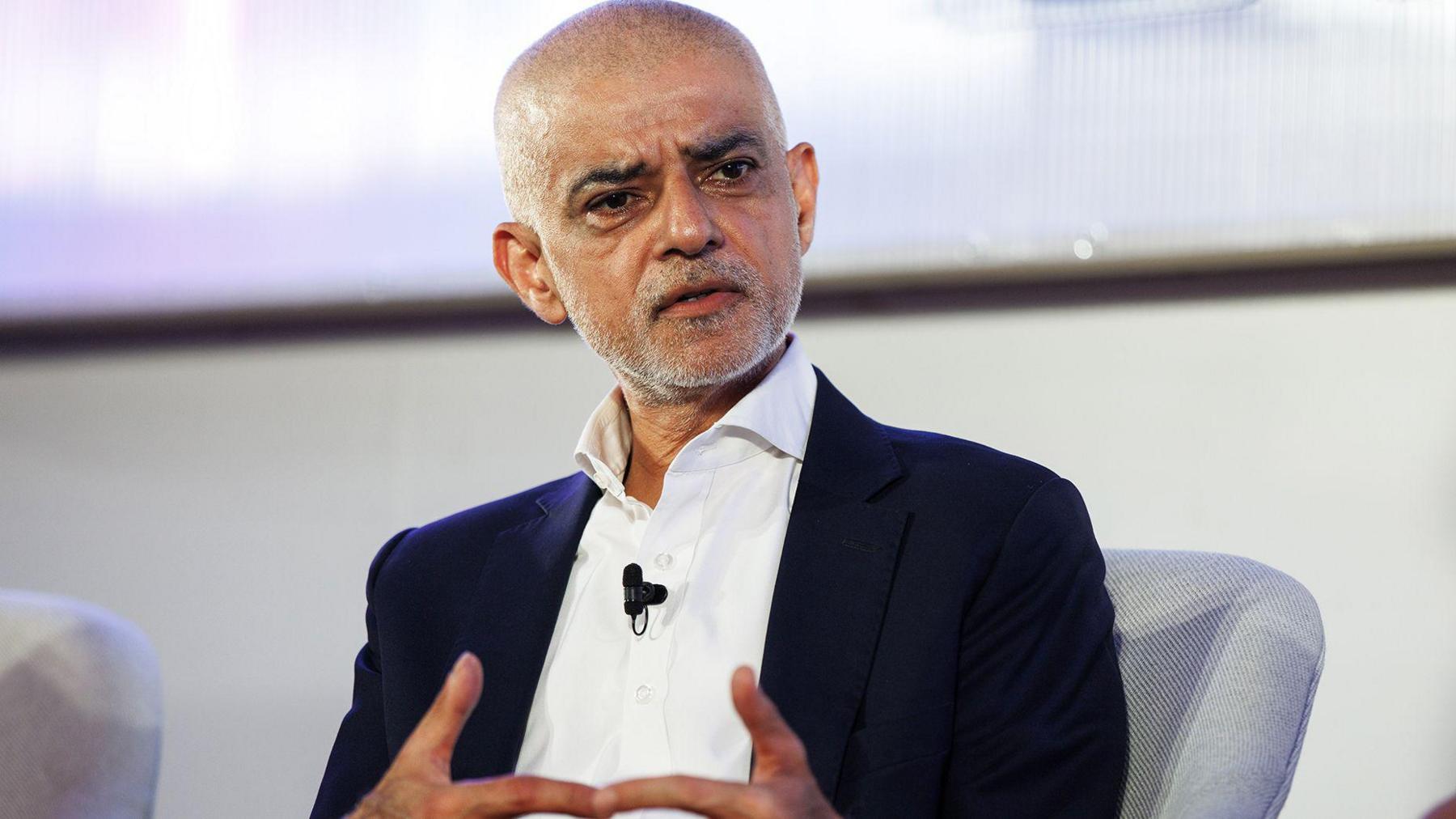
Regardless of the current political disputes, tackling organised sexual exploitation remains one of the most sensitive issues in the United Kingdom.
Many experts stress that the priority must remain protecting children, supporting victims, and ensuring effective law enforcement.
At the same time, the ongoing debate demonstrates how strongly issues of political responsibility, transparency, and public trust continue to shape British politics.
Whether the growing pressure on Sadiq Khan will lead to long-term political consequences remains uncertain. However, the controversy surrounding “grooming gangs” is likely to remain a major topic of discussion in Parliament, the media, and among the public.
Opinions remain deeply divided. Some demand stronger political action and a full investigation into past failures, while others warn against turning a sensitive issue into a tool for political confrontation.
What remains clear is that the public demand for transparency, victim protection, and effective justice continues to be at the centre of the debate.
