Harry Kane’s World Cup Heroics Hijacked by Xenophobic Post: Social Media Fury Erupts as Troll’s “Little Englander” Joke Backfires Spectacularly

Harry Kane’s World Cup Heroics Hijacked by Xenophobic Post: Social Media Fury Erupts as Troll’s “Little Englander” Joke Backfires Spectacularly
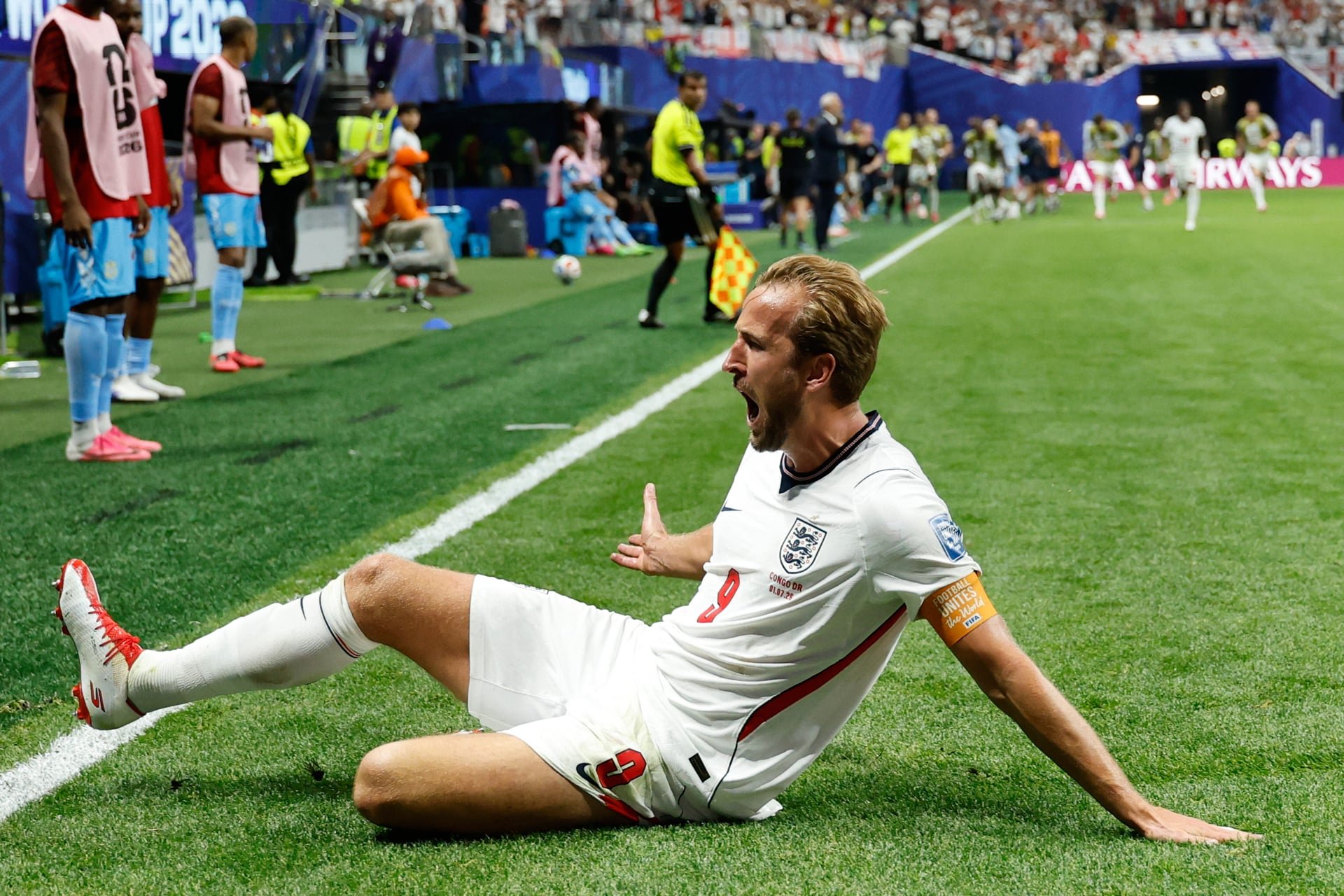
When England supporters celebrated Harry Kane’s dramatic World Cup-winning moment, most expected discussions to revolve around football, tactics, and national pride. Instead, one controversial social media post transformed a feel-good sporting occasion into yet another fierce debate over nationalism, immigration, and racism in modern Britain.
What was intended as a provocative joke quickly became one of the internet’s biggest own goals, drawing widespread condemnation and exposing the dangers of reducing a multicultural football team to political talking points.
A Goal That United England—Until Social Media Stepped In
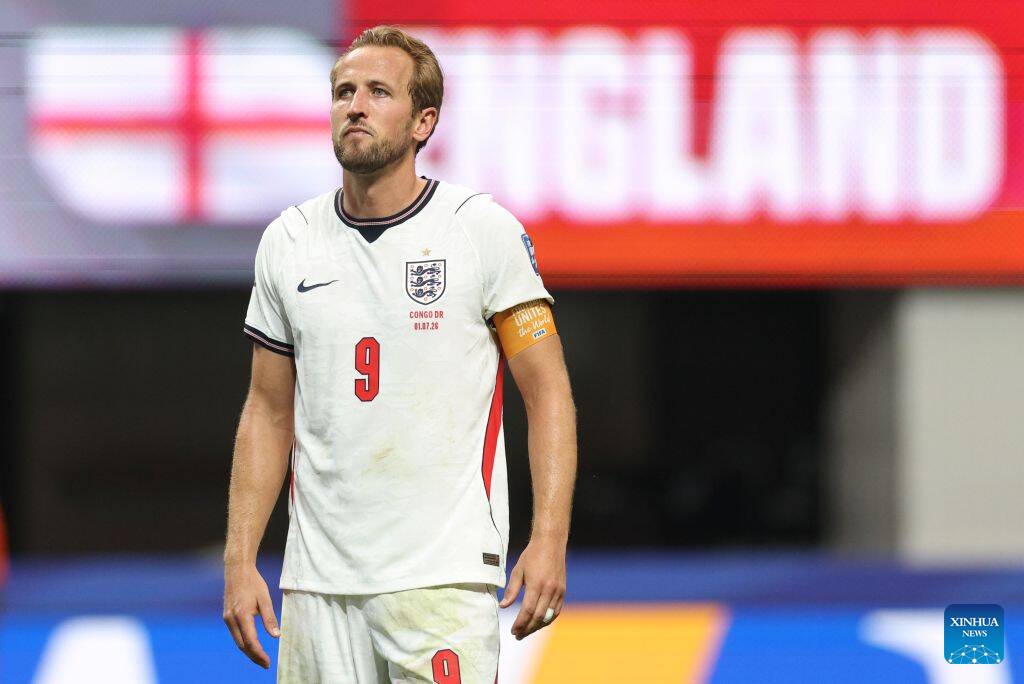
Harry Kane has long carried the weight of England’s expectations.
Whether wearing the captain’s armband at the European Championship or the FIFA World Cup, Kane has become one of the country’s defining football figures. So when he delivered yet another iconic goal for England, fans erupted in celebration.
But the celebrations didn’t last long before politics entered the conversation.
A viral post circulating on X (formerly Twitter) attempted to mock England’s diverse national team by claiming:
“Native British Man Harry Kane saves team of immigrants in World Cup Match!”
The implication was unmistakable.
The author suggested Kane was somehow different from many of his teammates because he was supposedly a “native British man,” while portraying the rest of the squad as “immigrants.”
The remark immediately ignited criticism across social media.
Why the Post Triggered So Much Anger
Many users viewed the statement as openly xenophobic.
England’s current squad reflects modern Britain—a nation where players come from families with roots across Africa, the Caribbean, Europe, Asia, and beyond.
Yet every player wearing the Three Lions shirt has earned the right to represent England under FIFA eligibility rules.
To millions of supporters, these footballers are simply English.
Reducing them to “immigrants” was widely interpreted as an attempt to question their identity based solely on ethnicity or family heritage.
Critics argued that the post ignored what international football has represented for decades:
Talent—not ancestry—is what earns a place in the national team.
The Internet Responds… With One Devastating Fact
Ironically, the controversial post collapsed almost immediately after another user pointed out an inconvenient detail.
Harry Kane’s father has family roots in Galway, Ireland.
One widely shared response bluntly stated:
“Harry Kane’s dad is from Galway. Donna is very thick.”
Within hours, thousands of users began mocking the original post.
Many described it as a perfect example of someone attempting to weaponize identity politics without understanding the player’s own family background.
Others called it one of the greatest self-inflicted social media embarrassments of the tournament.
Football fans quickly joked that the biggest own goal of the day hadn’t happened on the pitch—it had happened online.
Is Anyone Truly “Purely British”?
The debate quickly expanded beyond Harry Kane himself.
Historians, journalists, and ordinary users pointed out an obvious reality:
Britain has been shaped by centuries of migration.
From Romans and Vikings to Normans, Huguenots, Irish workers, Caribbean communities, South Asian families, African migration, and European immigration, modern Britain has never been ethnically static.
Many argued that trying to divide people into categories of “real British” versus “immigrant” ignores the country’s own history.
As one popular comment summarized:
“Almost every British family tree becomes international if you go back far enough.”
Football Has Always Been Bigger Than Backgrounds
England’s most successful teams have always featured players from different backgrounds.
The current generation includes stars with Jamaican, Nigerian, Ghanaian, Irish, and Caribbean heritage.
Yet every one of them represents England because England is their home.
Supporters highlighted that football has often been one of the country’s strongest symbols of unity.
Players who may have different ethnic backgrounds wear the same badge, sing the same anthem, and celebrate the same victories.
Many fans argued that reducing those athletes to labels based on ancestry completely misses what international sport is supposed to represent.
Critics Say This Reflects a Bigger Cultural Divide
The controversy also reopened discussions about growing political polarization on social media.
Increasingly, sporting events become battlegrounds for debates about immigration, nationalism, race, and identity.
Some users argued the original post reflected a broader trend in which certain online commentators attempt to inject culture-war narratives into moments that should simply celebrate sporting achievement.
Others countered that conversations about national identity are legitimate, provided they remain respectful and avoid targeting individuals because of their heritage.
The disagreement illustrates just how quickly football discussions can become political in today’s online environment.
Not Everyone Agreed
While the overwhelming response criticized the viral post, a minority defended it.
Some argued the comment was intended as satire rather than hatred.
Others claimed people were overreacting to what they viewed as obvious trolling designed purely to provoke engagement.
This sparked another familiar internet debate:
Should controversial posts always be taken seriously?
Or does reacting only amplify voices seeking attention?
Either way, the backlash ensured the post reached a far larger audience than it likely would have otherwise.
Harry Kane Never Responded
Perhaps the most notable aspect of the controversy is that Harry Kane himself never entered the debate.
Instead, the England captain continued focusing on football.
His silence contrasted sharply with the online chaos unfolding around his name.
Many supporters praised Kane for allowing his performances—not political arguments—to define his legacy.
For them, his winning goal mattered infinitely more than another fleeting social media controversy.

The Bigger Question
The incident raises an uncomfortable question that extends far beyond football:
Who gets to define national identity?
In modern multicultural societies, identity has become increasingly complex.
Can someone with Irish grandparents be fully English?
Can someone born in London to Nigerian parents represent England without having their identity questioned?
Most football fans would answer yes.
Others continue to disagree.
That disagreement fuels many of today’s cultural debates—not only in Britain but across Europe and much of the world.
A Lesson in Internet Irony
If the original poster hoped to celebrate nationalism by elevating Harry Kane above his teammates, the plan spectacularly backfired.
Instead of reinforcing their argument, users quickly exposed the irony that Kane himself has Irish family roots.
The episode became less about football and more about the dangers of making sweeping assumptions about identity.
Perhaps the biggest takeaway is that modern football reflects modern society.
Teams are increasingly multicultural because countries themselves are increasingly diverse.
Whether fans celebrate that diversity or criticize it remains deeply contested.
But one thing is difficult to dispute:
On the pitch, goals matter far more than genealogy.
And in this case, the internet’s loudest attempt to divide England’s team ended up scoring one of the most memorable own goals of the tournament.
What Do You Think?
Was the original post simply dark humor that people took too seriously, or was it an example of unacceptable xenophobia crossing the line?
The debate continues—and social media remains as divided as ever.
